
European Archaeology Days 2026: Malta’s Past Explored Above and Below Ground
European Archaeology Days 2026 will return to Malta from Friday 12 June to Sunday 14 June 2026, offering the public a rich programme of guided tours, open days, walks and talks celebrating archaeological discovery across the Maltese Islands. The initiative is coordinated by the Superintendence of Cultural Heritage (SCH) as part of the wider Europe‑wide celebration held annually in June.
Building on the success of previous editions, European Archaeology Days 2026 place a strong focus on public engagement, archaeological research in progress, and Malta’s role within Europe’s shared cultural heritage, with activities spanning prehistoric, funerary, maritime, epigraphic and landscape archaeology.
Friday 12 June
Public Lecture: Selected Discoveries from the Western Region
As part of European Archaeology Days and a wider SCH lecture series running through 2026–2027, join archaeologists from the SCH as they shine a spotlight on western Malta, where development‑led archaeology is transforming what we know about the past. From a rare Bronze Age refuse pit in Rabat, offering an intimate glimpse into everyday prehistoric life, to Phoenician burials, Punic and Roman tombs, and a late Roman–early Christian catacomb reused in medieval times, the discoveries tell a powerful story of continuity and adaptation. The lecture forms part of a nationwide series highlighting key finds from the past 20 years, delivered in collaboration with local councils to bring archaeology back to the communities where it was uncovered.
Join on Friday, 12 June 2026 from 18:30 to 20:30, at the National Archives of Malta in Rabat. Attendance is free.
Open Day: Salina Bay Underwater Excavation
A flagship event this year is the Salina Bay Underwater Excavation Open Day, organised in collaboration with Heritage Malta’s Underwater Cultural Heritage Unit and the University of Malta’s Maritime Archaeology Programme. Visitors will be guided by members of the excavation team and may participate in snorkelling sessions over the excavation site, experience a 360‑degree virtual dive through the Dive into History experience, engage in artefact handling sessions, and view a display of material recovered during previous excavation seasons.
Join the team onsite on Friday, 12 June 2026 from 10:00 to 14:00. Don’t forget to get your own snorkelling gear and swimsuit!
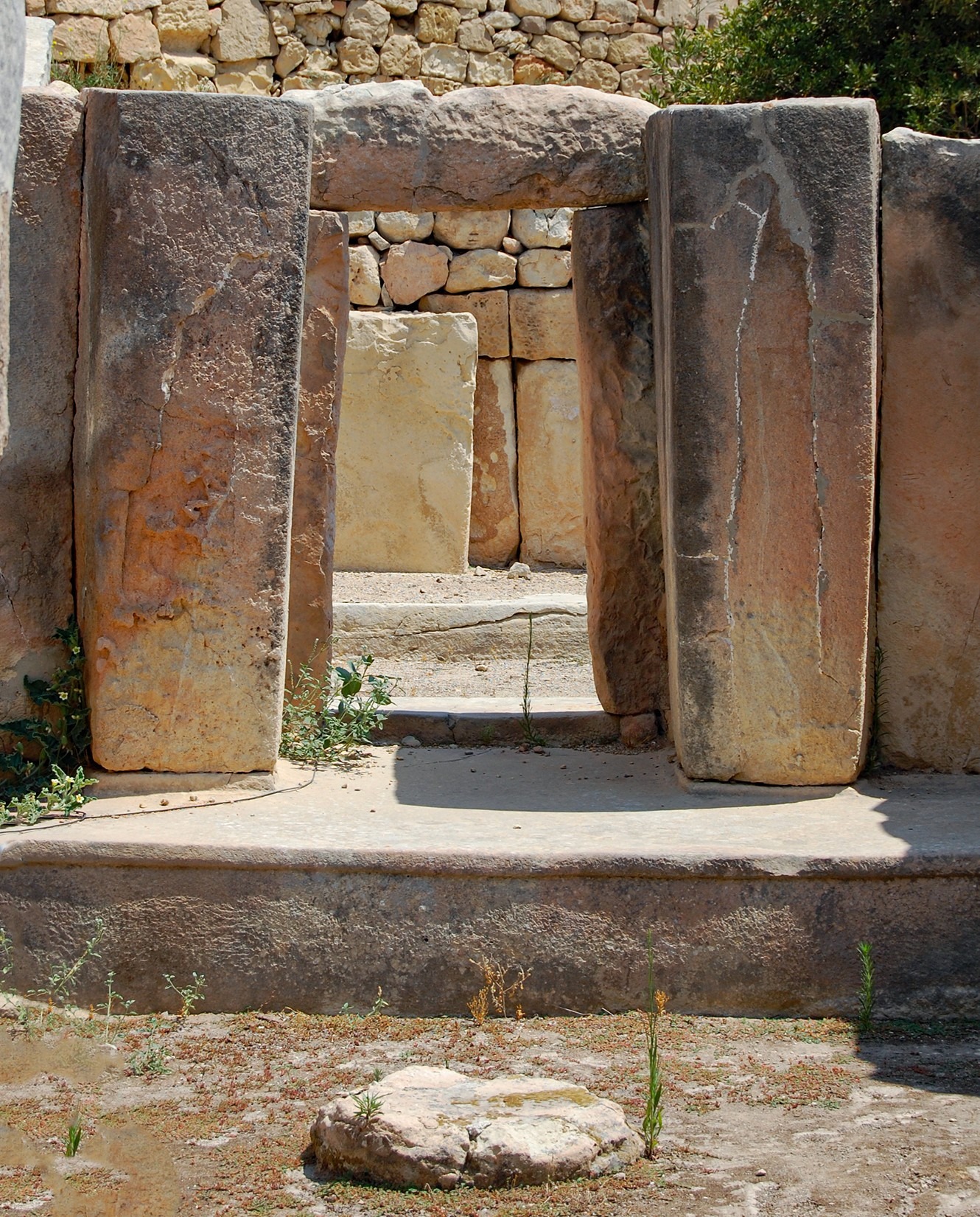
Torchlight Tour: Ħal Tarxien Prehistoric Complex
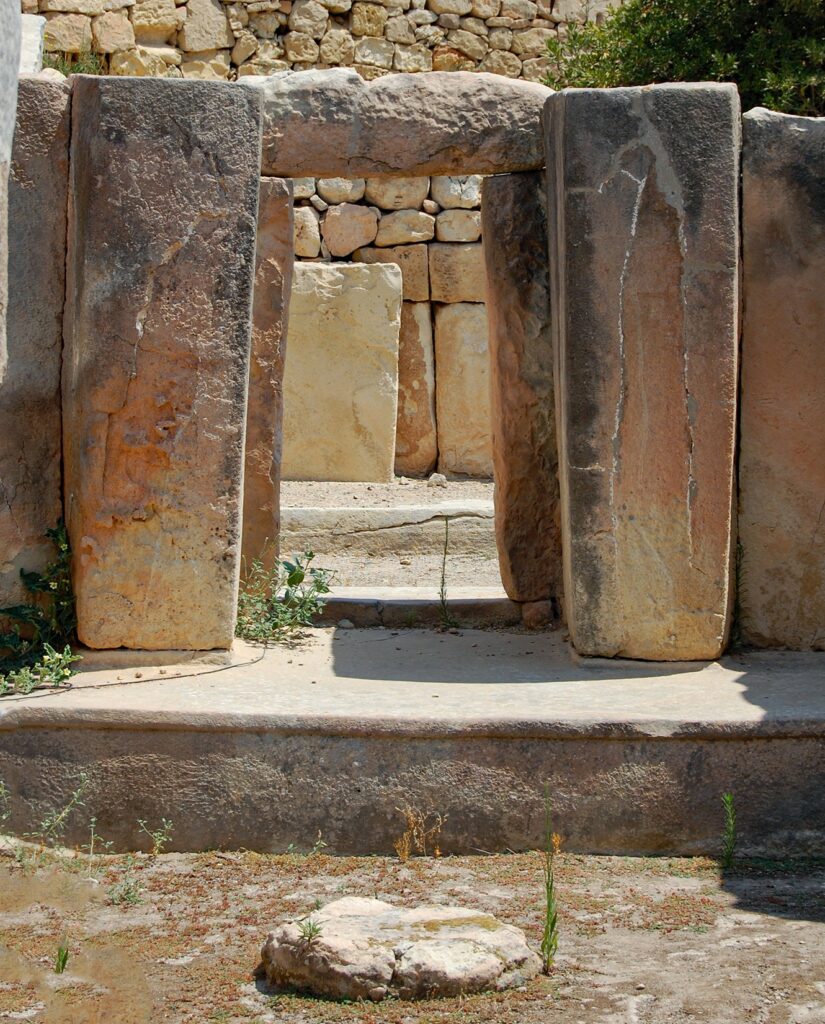
Prehistoric heritage takes centre stage through tours of the Ħal Tarxien Prehistoric Complex. For millennia, the megalithic structures at Ħal Tarxien lay in silence, waiting beneath the soil, until their rediscovery in 1915. Since then, the complex has remained one of the most astounding archaeological sites to have been discovered in the Mediterranean, inevitably breaking the silence which had prevailed since prehistory.
Join after‑hours, curator‑led tours of the Ħal Tarxien Prehistoric Complex, offering a rare opportunity to experience one of the Mediterranean’s most significant archaeological sites outside normal opening hours, on Friday, 12 June. Tickets may be purchased online from Store – Heritage Malta or from any Heritage Malta museum or site.
Guided Walk: Majjistral National Heritage Park
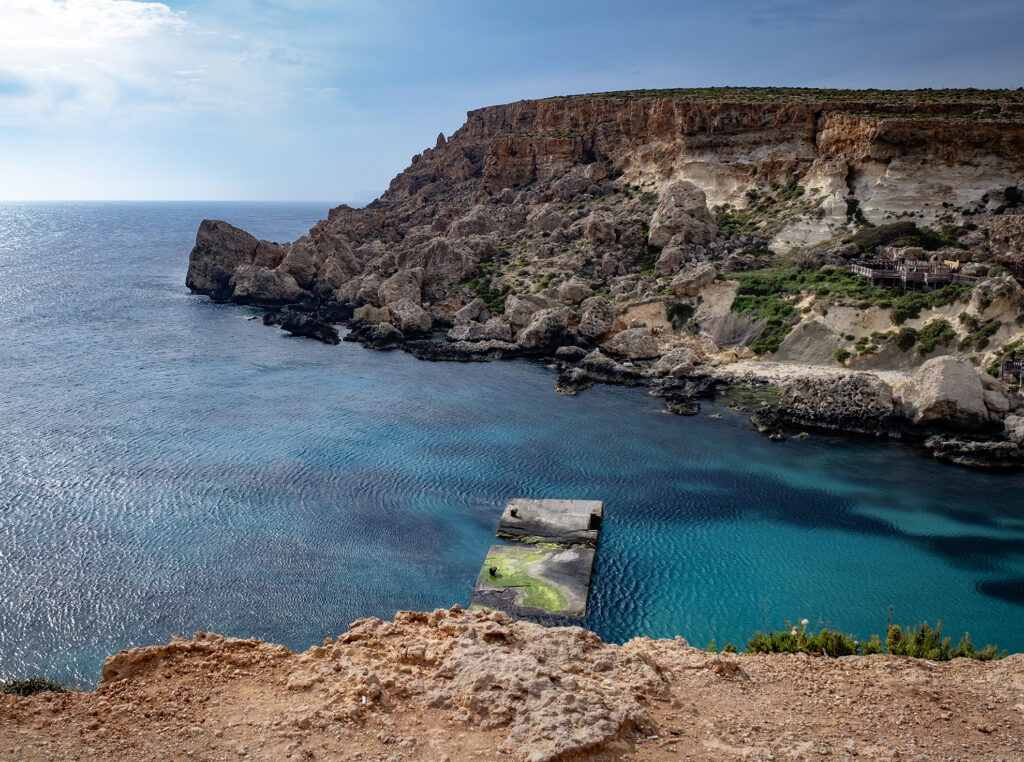
As part of European Archaeology Days, the Majjistral National Heritage Park invites the public to explore Malta’s only national park through a guided evening walk, starting at the park’s interpretation centre at Għajn Tuffieħa. Following a short introduction, participants will walk through a landscape shaped by both nature and human activity, discovering archaeological traces, rural heritage and historic land use within this protected coastal environment. Majjistral offers a unique blend of archaeology, ecology and scenery, making this guided walk an ideal opportunity to experience heritage within its natural setting.
Join on Friday 12 June, from 6.00pm to around 8.30pm. Participation is free, but attendees are kindly asked to inform the organiser in advance by sending an email to [email protected].
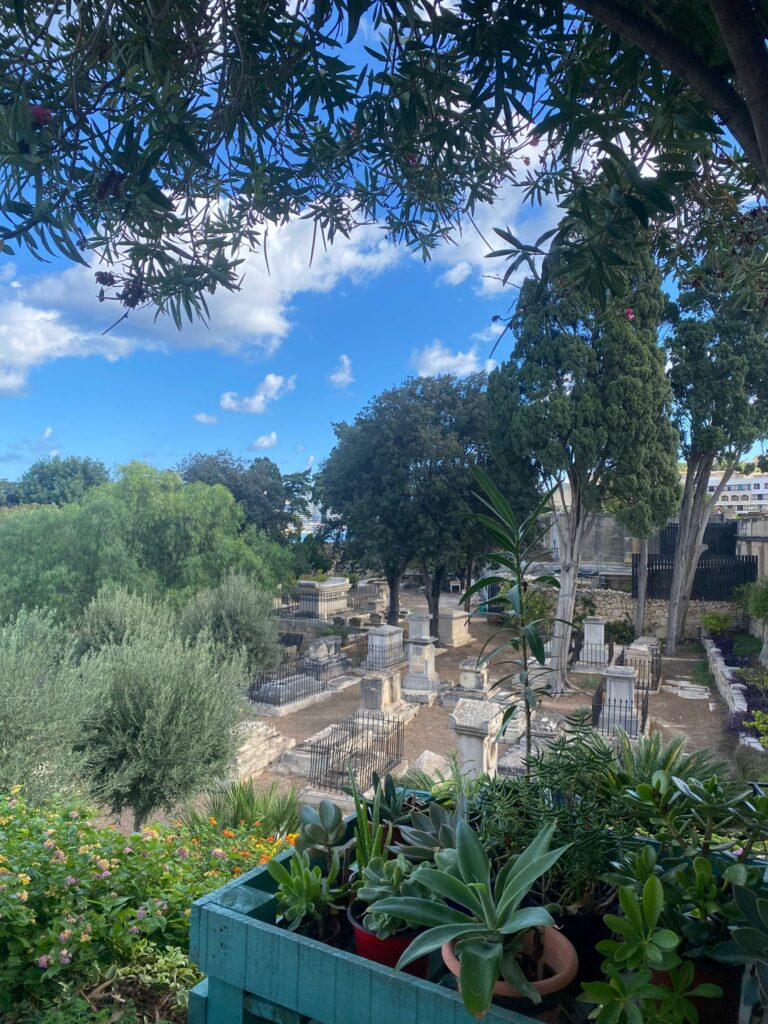
Guided Tour: The Garden of Rest Cemetery
Din l-Art Ħelwa invites the public to explore the Garden of Rest Cemetery along the Floriana Bastions for European Archaeology Days 2026. This historic garden cemetery offers a rare opportunity to discover a peaceful yet deeply significant site that reflects Malta’s funerary, social and urban history. Led by knowledgeable guides, the tour will explore the cemetery’s monuments, layout and setting within the defensive landscape of Floriana, highlighting its cultural and historical value.
Join for guided tours on Friday 12 June, from 11.00am to 1.00pm. Participation is free, but attendees are kindly asked to inform the organiser in advance by sending an email to [email protected].
Saturday 13 June
Public Lecture: Bormla’s Latin Inscriptions – An Interactive Lecture
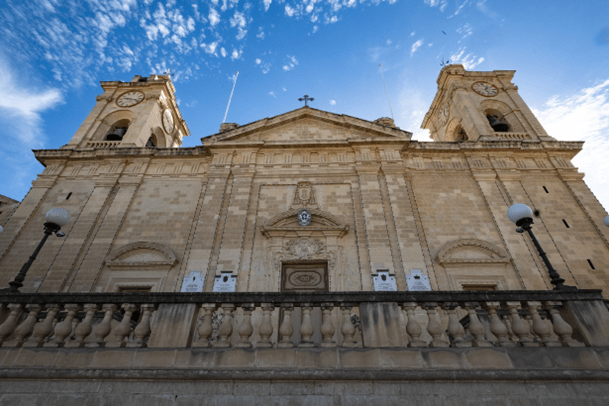
The Department of Classics and Archaeology within the University of Malta will be presenting an interactive lecture on the project Corpus Inscriptionum Melitensium and the importance of Latin in Malta’s history. The session explores a selection of Latin inscriptions from Bormla Parish Church and other sites in the locality, highlighting their role as vital historical sources. Latin, the administrative and sacred language of the Roman world and later the Church, played a lasting role in shaping Malta’s legal, religious and cultural traditions. Through guided discussion, participants will discover how these inscriptions reveal identities, beliefs and everyday life in Malta’s past.
Join on Saturday, 13 June from 09:00 to 10:00, at the Bormla Parish Church. Participation is free. More information here.
Megalithic Site Tour – Kordin III
Prehistoric heritage takes centre stage through tours of the Kordin III Complex. Kordin III once stood among a cluster of megalithic sites, forming part of a wider Neolithic community across the Kordin plateau. Today, it remains the sole surviving witness to this once enigmatic landscape. Uncover its story and trace its connections to nearby prehistoric landmarks such as the Tarxien Prehistoric Complex, the Ħal Saflieni Hypogeum, and the Santa Luċija Hypogeum -remnants of a landscape long lost to time.
Join our guides as they uncover the story of this place on Saturday, 13 June. Tickets may be purchased online from Store – Heritage Malta or from any Heritage Malta museum or site.
Curator’s Tour – National Museum of Archaeology
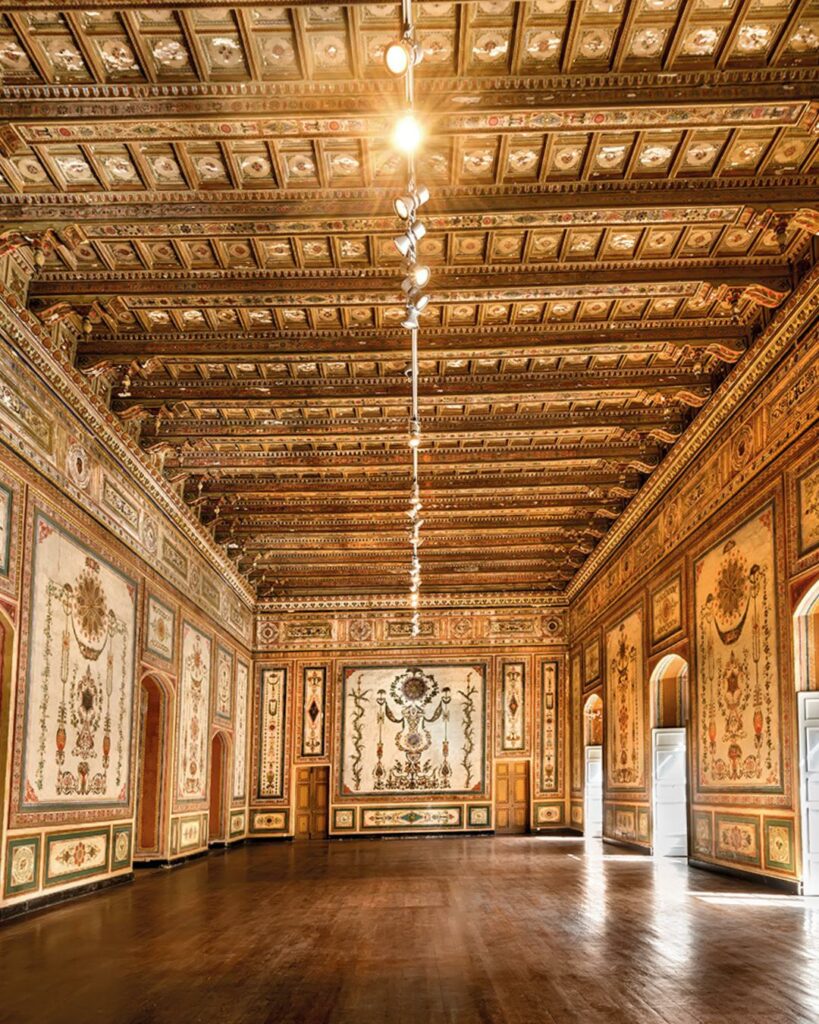
Discover the National Museum of Archaeology in Valletta through engaging guided curatorial tours. Set within the historic Auberge de Provence, each curatorial tour begins with an introduction to the main exhibition, followed by a focused explanation of the Ħal Saflieni Hypogeum skulls, which form part of the permanent display. The tour continues with a showcase of selected pieces from the Reserve Collection, including Greek vases, as well as inscriptions and stelae that are not part of the permanent exhibition.
Two tours will take place on Saturday, 13 June: one in Maltese and one in English. Tickets may be purchased online from Store – Heritage Malta or from any Heritage Malta museum or site.
Sunday 14 June
Guided Tour – St Paul’s Catacombs
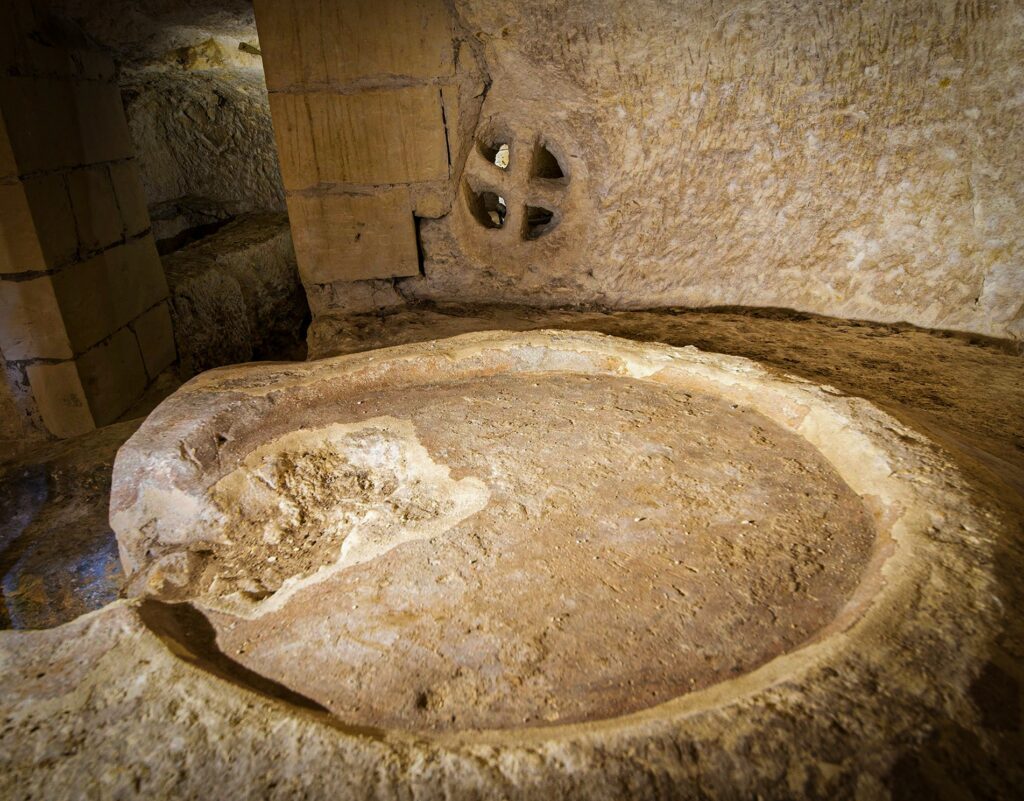
European Archaeology Days 2026 also highlight Malta’s European Heritage Label site at St Paul’s Catacombs, with guided visits exploring the site’s architecture, material culture and its wider Mediterranean and European cultural connections. This experience explores the key aspects of St Paul’s Catacombs that led to the site’s recognition with the European Heritage Label, highlighting its importance within the shared cultural history of Europe. Malta’s underground burial traditions reveal strong connections with wider Mediterranean influences, while also showcasing a distinctive architectural identity and a close relationship with the surrounding landscape.
This event will take place on Sunday, 14 June 2026. Tickets may be purchased online from Store – Heritage Malta or from any Heritage Malta museum or site.
Curator’s Tour – National Museum of Archaeology
Discover the National Museum of Archaeology in Valletta through engaging guided curatorial tours. Set within the historic Auberge de Provence, each curatorial tour begins with an introduction to the main exhibition, followed by a focused explanation of the Ħal Saflieni Hypogeum skulls, which form part of the permanent display. The tour continues with a showcase of selected pieces from the Reserve Collection, including Greek vases, as well as inscriptions and stelae that are not part of the permanent exhibition.
Two tours will take place on Sunday, 14 June: one in Maltese and one in English. Tickets may be purchased online from Store – Heritage Malta or from any Heritage Malta museum or site.
Running throughout
CASA’s Archaeological Photo Hunt
An online competition inviting participants to photograph as many archaeological sites across Malta and Gozo as possible. To ensure authenticity, participants are required to appear in each photograph submitted. Any entries found to involve the use of artificial intelligence or manipulated content will be disqualified. For more information, contact CASA.
European Archaeology Days 2026 invite audiences of all ages to experience archaeology beyond the museum, engage directly with research and specialists, and rediscover Malta’s past as part of Europe’s shared heritage. Now in its fifth year running in Malta, the event is part of a continent-wide initiative spearheaded by the French Ministry of Culture and the Institute for Preventive Archaeological Research (INRAP) and is under the auspices of the Council of Europe. European Archaeology Days seeks to create innovative and interactive activities to introduce the public to the treasures of their national heritage and the secrets of the professions.