New additions to Malta’s National Inventory of Cultural Heritage
- Categories National Inventory, News
- Date February 23, 2026
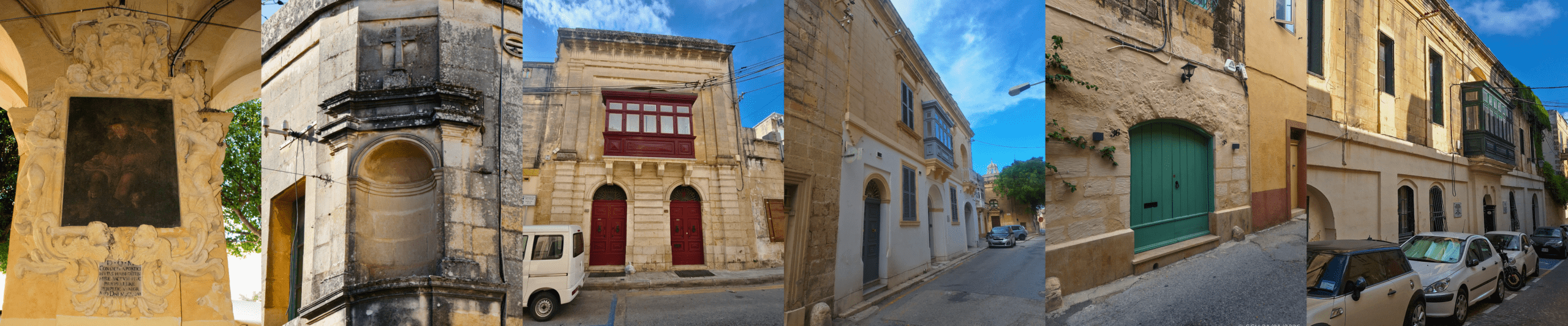
The Superintendence of Cultural Heritage has published a new set of entries to the National Inventory, a register of cultural property, assets and examples of cultural heritage pertaining to the Maltese Islands. This set of entries include 23 individual listings to the National Inventory of Cultural Heritage.
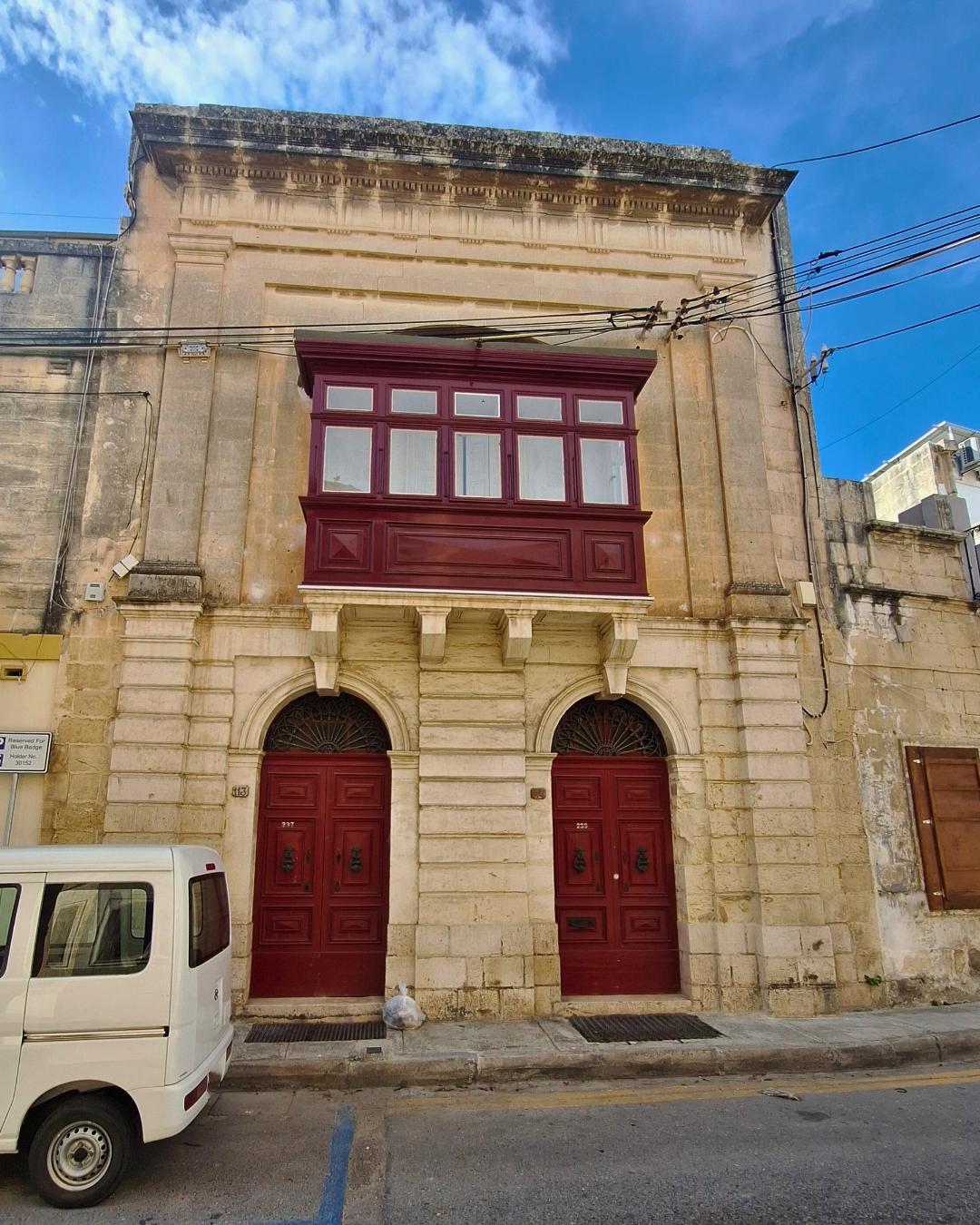
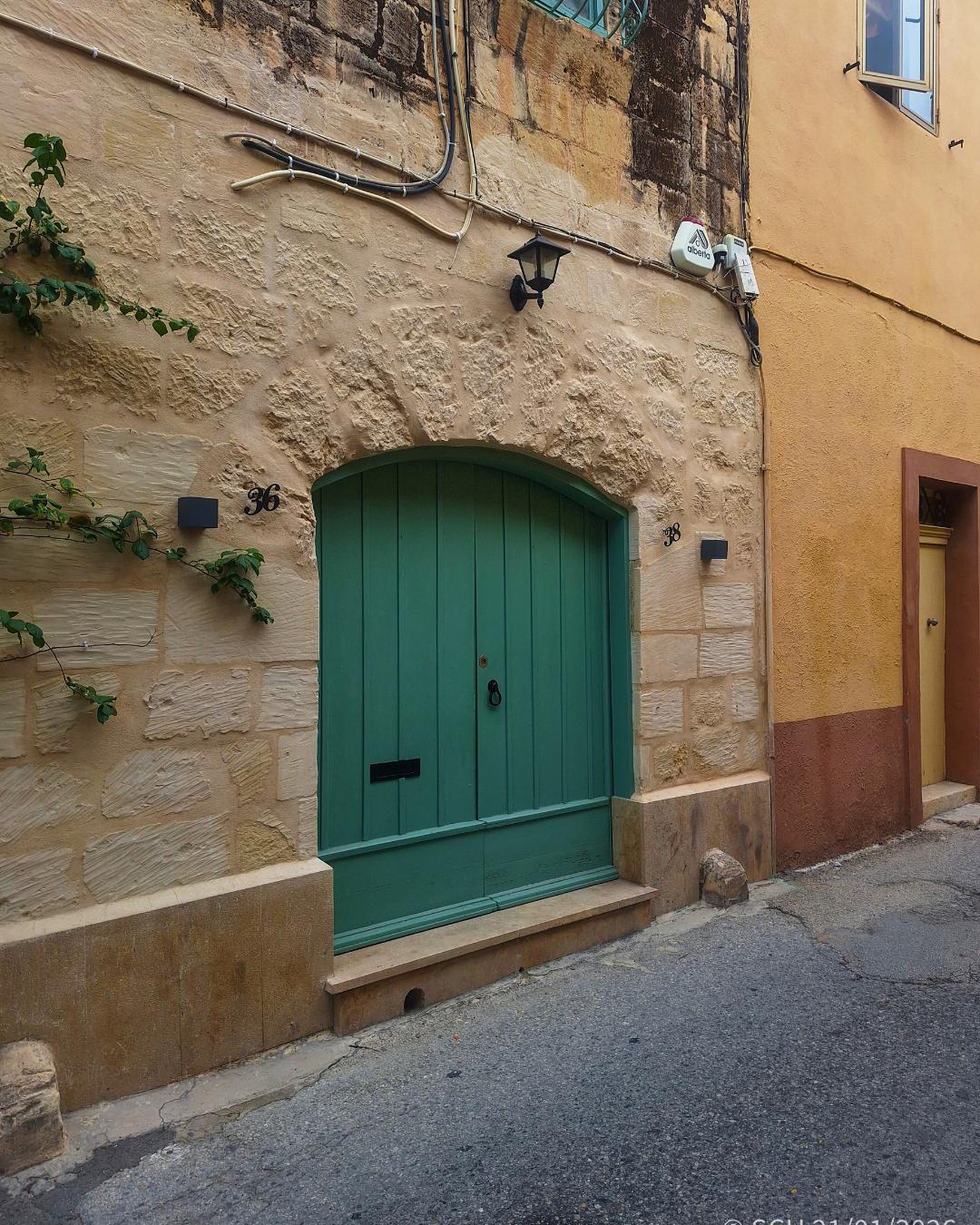
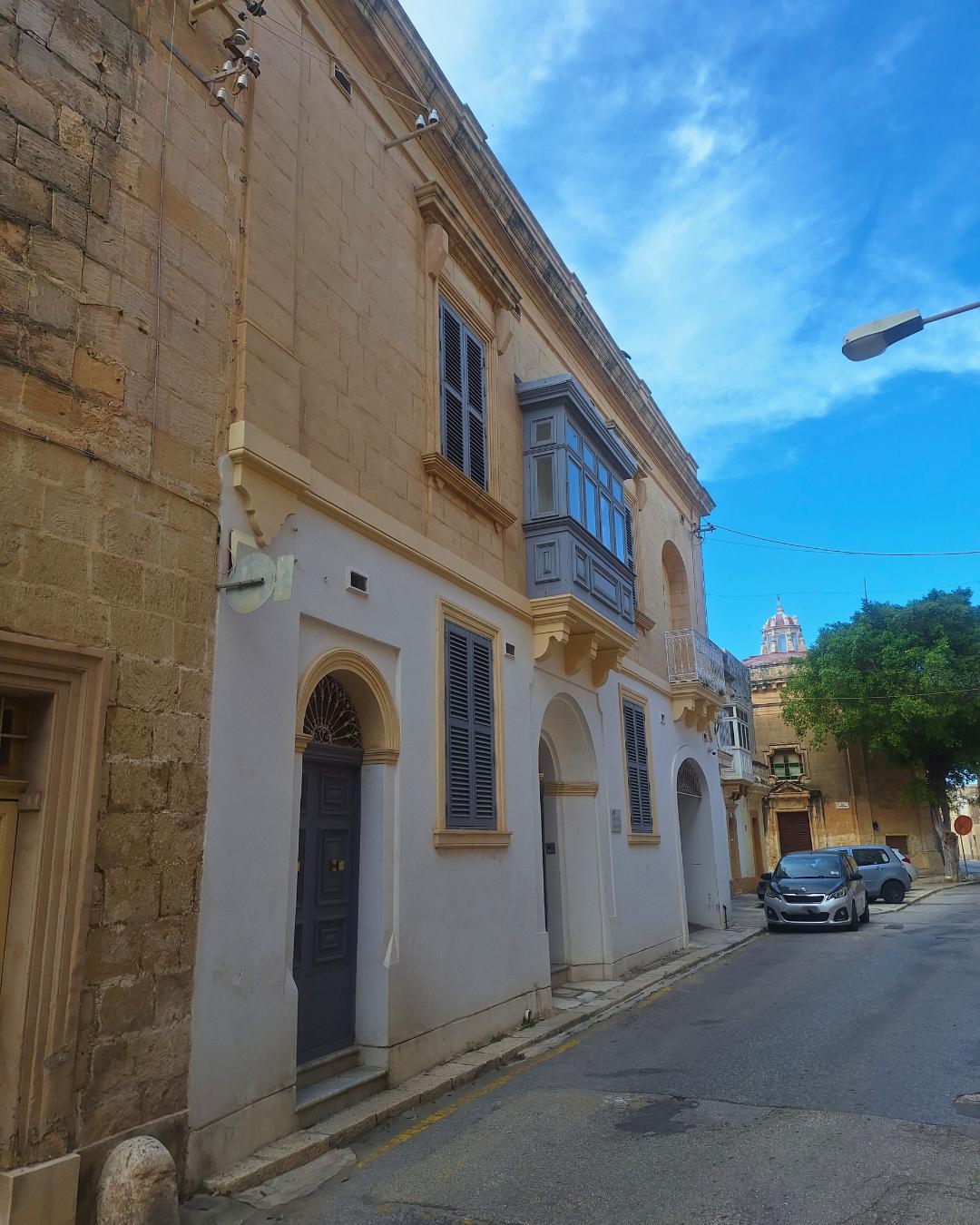
This addition includes 19 examples of ecclesiastical cultural heritage and four remarkable examples of residential architecture and historic houses. These additions have been formally recognised by the Superintendence of Cultural Heritage for their cultural heritage value on aesthetic, historical, architectural and social criteria.
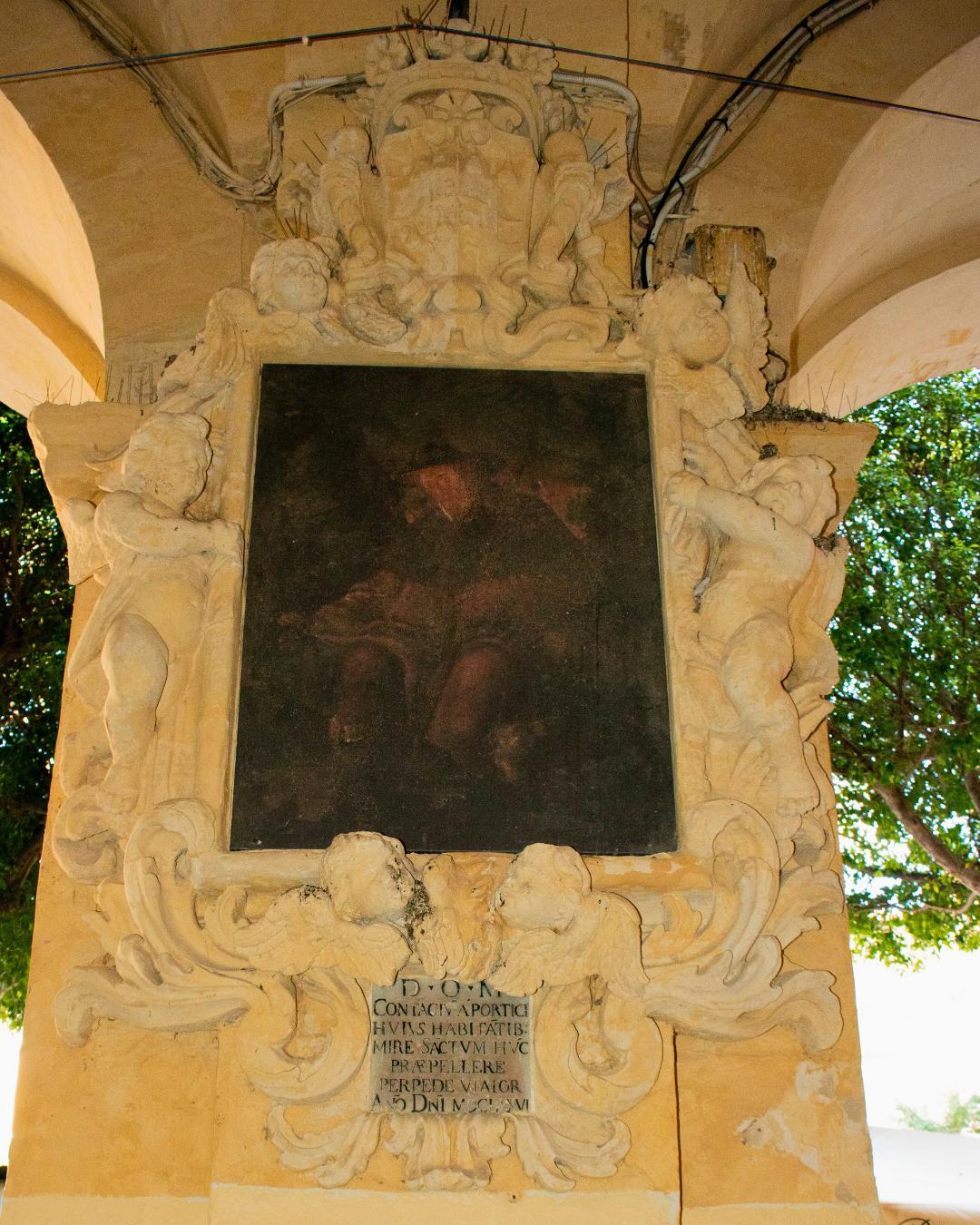
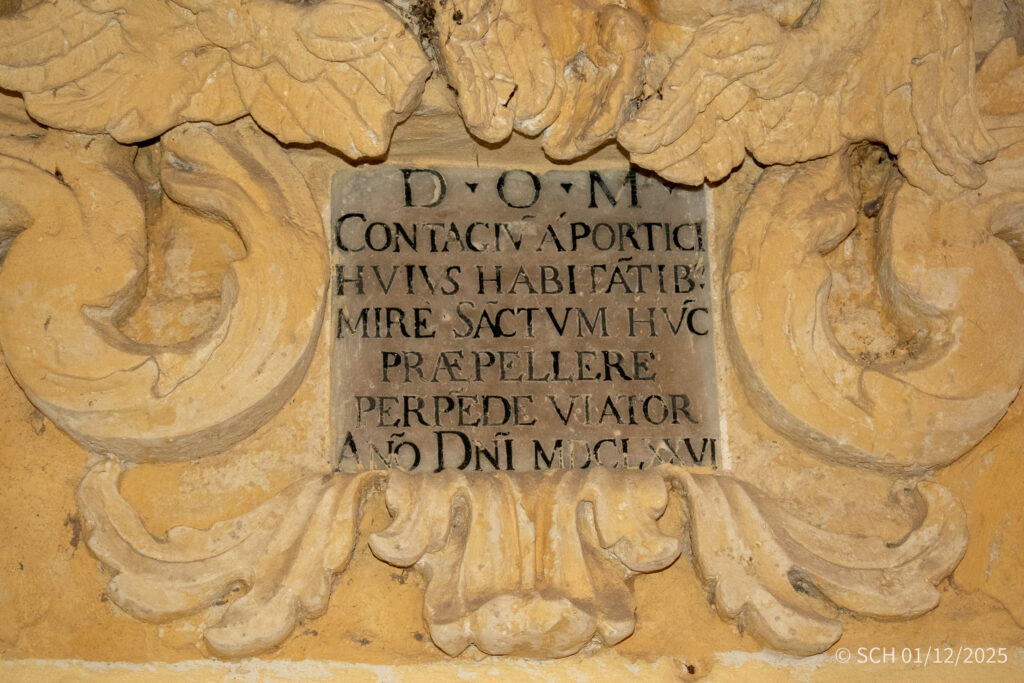
Out of the 19 new niches included in this addition, perhaps the most remarkable is the niche dedicated to St Roch, located within the covered walkways surrounding Pjazza Regina in Valletta. This niche houses a painting of Saint Roch and shows the saint dressed as a weary pilgrim, seated as if stopping to rest while travelling, resting his staff against his body, and accompanied by his dog. The niche is very firmly Baroque in style, with dramatic and elaborate decorations surrounding the central painting. Two large putti support the niche on either side, and four more putti heads are arranged around the niche with floral motifs throughout. The niche is topped with the coat of arms of Grandmaster Ramon Perellos y Roccafull. The painting – a copy – is in good condition, although it has darkened significantly. The original is currently housed in the Inquisitor’s Palace in Birgu, and is dated to 1676, as can be seen from the inscription adorning the niche.
The niche features an inscription in Latin which reads “D · O · M CONTAGIṼ Á PORTICI HVIVS HABITÁTIB MIRE SÁCTVM HVĆ PRÆPELLERE PERPEDE VIATOR ANÓ DNÍ MDCLXXVI”, translated to mean “To God, the Best and Greatest. The contagion from the portico of this dwelling is wondrously repelled from this sacred place by the footstep of the traveller, In the year of Our Lord 1676”. This refers to St Roch, the saint traditionally invoked for intercession against the plague and other forms of pestilence.
The architectural and aesthetic language of this element was consciously articulated and executed to a high standard. The attention to detail, its intricate design and the overall appeal of its aesthetic makes this one of the more significant examples of religious monuments. The niche is also of considerable historical importance, as it coincides with a period of plague in Malta. As an expression of popular devotion and a landmark for the local community, forming part of its collective memory, this architectural feature holds notable social significance. The monument also has strong potential to attract scholarly interest, particularly in relation to popular devotional practices and the cults of saints promoted and perpetuated by the Knights of St John.
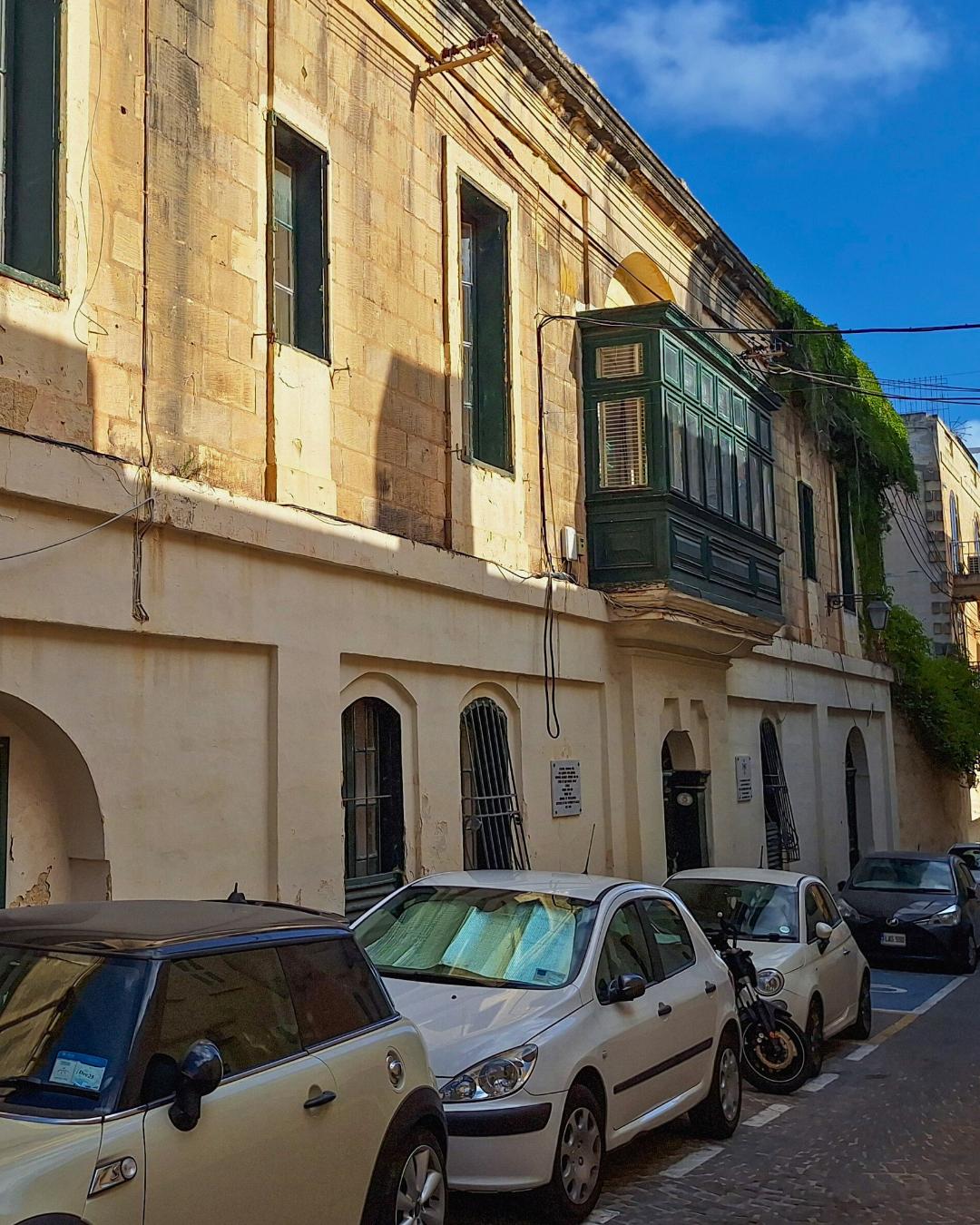
This update also includes three significant townhouses in Ħaż-Żebbuġ, which collectively span at least 300 years of architectural history, and Careel House in San Ġiljan, a remarkable and historic house valued for its architectural, historical and social significance.
This latest addition to the National Inventory is part of the continuous efforts to document, preserve, and protect Malta’s cultural heritage. The Superintendence of Cultural Heritage remains dedicated to identifying and safeguarding the unique sites that enrich the Maltese and Gozitan landscapes, ensuring they remain lasting symbols of our collective history.
As outlined in Article 59(1) and Article 70 of the Cultural Heritage Act 2002 (as amended), it is imperative to note that any development or intervention on these properties requires prior approval from the Superintendent. Furthermore, causing damage to any of the properties included in the Inventory, even if privately owned, is strictly prohibited and constitutes an offense punishable by law.
The Superintendence encourages the public to visit the GIS Interface on our website, which not only serves as a portal of information for all sites located in the National Inventory, but can also easily highlight the latest additions when selecting “Latest Entries” on the lefthand navigator.
The National Inventory is a cultural heritage register curated and compiled by the Superintendence as one of its functions established by the Cultural Heritage Act (CAP 445).
The full list of properties recently added to the Inventory can be found on Government Gazzette No. 21,579, dated 03rd February, 2026 (G.N. 155).
You may also like
BCThubs Project runner-up in the Public Service Sustainability Award